
Quick Answer & Key Takeaways
Spherical roller bearings engineered for mining and cement ball mills deliver unmatched radial load capacity, exceptional shock absorption, and self-aligning reliability in harsh grinding environments. Supporting main trunnions, drive pinion shafts, and reduction gearboxes, these heavy-duty components sustain multi-ton dynamic impact loads while compensating for structural shaft deflection up to 2.5 degrees. Advanced bearing configurations utilize high-purity vacuum-degassed steel alloys, brass or steel cages, optimized radial internal clearances, and multi-lip sealing systems to protect raceways against severe mineral dust and slurry contamination. Industrial procurement managers and mechanical engineers specify specialized spherical roller bearings to eliminate unexpected shaft binding, extend mean time between failures (MTBF), and lower overall maintenance overhead in continuous 24/7 comminution circuits.
-
Self-Aligning Capability: Double-row spherical design automatically accommodates trunnion shaft deflection and housing misalignment caused by heavy ball charge forces.
-
Superior Shock Resistance: Ductile, high-purity bearing steel formulations absorb recurring dynamic impacts from cascading grinding media and large ore feed.
-
Contamination Protection: Advanced contact sealing and continuous positive-pressure grease purge systems block abrasive silica, cement dust, and slurry ingress.
-
Controlled Thermal Stability: Heat-stabilized raceway geometries maintain essential operational clearances despite friction-induced temperature surges up to 200°C.
What Are Spherical Roller Bearings for Mining and Cement Ball Mills?
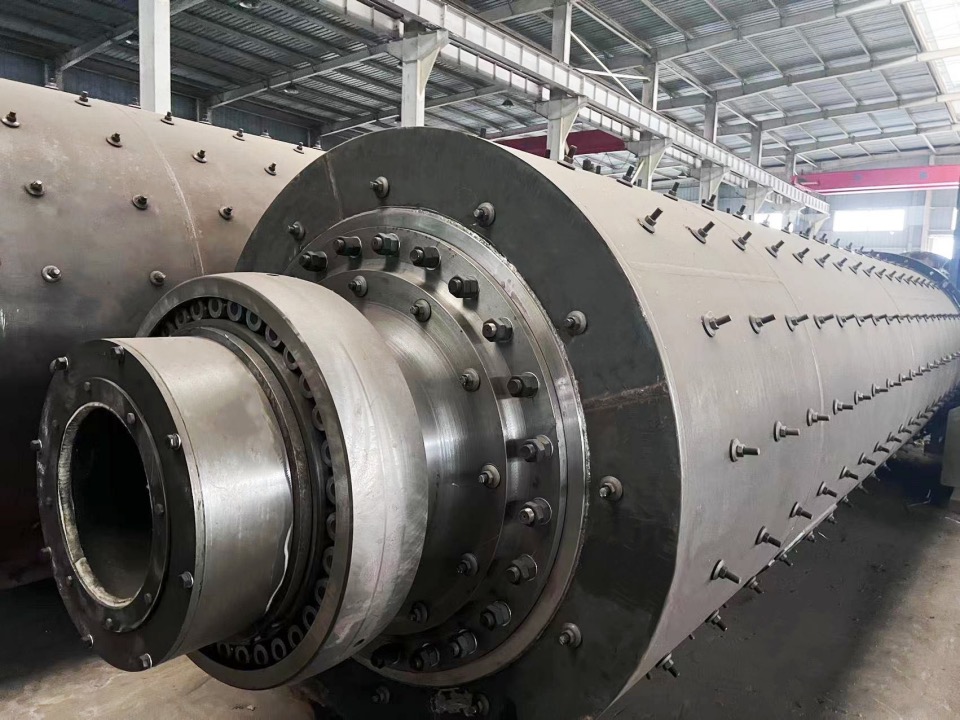
Spherical roller bearings for mining and cement ball mills are heavy-duty, self-aligning rolling-element bearings designed to handle high radial loads and heavy tilting moments in grinding machinery. Featuring two symmetrical rows of barrel-shaped rollers running within a common spherical outer raceway, these bearings automatically adjust to angular misalignment between the shaft and housing.
In mineral processing and cement plants, ball mills rotate massive steel drums filled with ore or clinker and grinding balls. As the mill rotates, the heavy internal charge creates extreme radial compression forces and uneven dynamic shocks on the main trunnion journals and drive pinions. Specialized spherical roller bearings provide the required load-bearing capacity while maintaining low rotational friction, ensuring smooth power transmission from drive motors to the mill shell.
Critical Performance Demands in Industrial Comminution Circuits
Ball mills in mining and cement production operate under severe mechanical and environmental conditions that test component durability:
-
Handling Multi-Ton Dynamic Shock Loads: Cascading grinding media and large rock feeds generate continuous multi-ton dynamic impacts. Spherical roller bearings distribute these heavy radial forces across wide contact lines, preventing premature sub-surface fatigue spalling.
-
Compensating for Heavy Shaft Deflection: Long mill trunnions and heavy drum bodies flex naturally under operational weight. The self-aligning double-row spherical raceway compensates for angular misalignment up to 2.5 degrees, eliminating dangerous edge-loading stresses on rollers.
-
Resisting Abrasive Dust and Slurry Ingress: Cement dust, quartz particulates, and wet mineral slurries surrounding grinding circuits act as severe abrasives. Bearings operating in these environments utilize heavy-duty cassette seals, labyrinth housings, and water-resistant extreme pressure (EP) greases to safeguard raceway cleanliness.
-
Sustaining Continuous 24/7 Operations: Unscheduled stoppages in primary grinding circuits can cost mine operators tens of thousands of dollars per hour in lost throughput. Premium vacuum-degassed bearing steels and reinforced cages ensure reliable service life exceeding 50,000 to 80,000 operating hours under proper maintenance regimes.
Comparative Performance Analysis: Spherical Roller Bearings vs. Alternative Mill Bearings
Selecting drive and trunnion bearings requires balancing load capability, alignment tolerance, mounting complexity, and environmental resilience across competing design options.
In misalignment tolerance and radial load capacity, spherical roller bearings outperform cylindrical roller bearings and tapered roller bearings in main mill support roles. While cylindrical bearings offer high radial capacity, their rigid structure cannot accommodate shaft deflection without inducing severe edge-loading stress. Spherical roller bearings natively handle both high radial loads and dynamic misalignment within a single compact assembly.
Regarding maintenance simplicity and installation, spherical roller bearings offer advantages over hydrodynamic plain journal bearings. Hydrodynamic bearings require complex, high-pressure oil lubrication systems, continuous cooling units, and precise manual scrap-fitting during installation. Spherical roller bearings operate efficiently with grease or circulating oil systems and feature tapered bores for fast mounting via hydraulic adapter sleeves.
In terms of shock load absorption, case-hardened or vacuum-degassed spherical roller bearings demonstrate superior resilience compared to standard through-hardened bearings. Reinforced solid brass cages guide rollers independently during sudden load surges, preventing cage fracture and roller skewing during heavy mill startup sequences.
Finally, environmental seal integration favors spherical roller bearings mounted in plummer block or pillow block housings. Sealed spherical roller bearing variants integrate double-lip seals directly onto the inner ring, creating a primary barrier against abrasive cement dust before contaminants can reach internal grease reservoirs.
Key Industrial Applications in Mining and Cement Machinery
Spherical roller bearings serve as primary mechanical anchors across several critical grinding and drive locations:
1. Main Mill Trunnion Supports
On small-to-medium ball mills and SAG mill auxiliary drives, heavy-duty spherical roller bearings directly support the rotating trunnion journals, carrying the total weight of the mill shell, liners, and grinding charge.
2. Drive Pinion Shaft Assemblies
Girth-gear driven ball mills rely on high-precision spherical roller bearings to support the fast-rotating drive pinion shaft, maintaining accurate gear mesh alignment against high radial gear-tooth reaction forces.
3. Mill Reduction Gearboxes
Multi-stage planetary and helical reduction gearboxes driving cement and raw material grinding mills utilize spherical roller bearings on intermediate shafts to absorb combined radial and axial gear thrust forces.
4. Vibrating Screens and Heavy Feeder Conveyors
Upstream from the ball mill, vibrating screens and apron feeders process raw ore feed. Spherical roller bearings designed for shaker screens withstand extreme centrifugal forces and high-frequency vibrations in these preparatory stages.
Engineering Selection and Maintenance Guide for Procurement Teams
Procurement managers and plant maintenance engineers specifying spherical roller bearings for mining and cement ball mills should follow four essential technical practices:
-
Verify Steel Purity and Cage Construction: Specify high-purity, vacuum-degassed alloy steel with machined solid brass (MB or CAM) or reinforced steel cages to handle heavy vibration and dynamic shock loads without structural cage failure.
-
Match Radial Internal Clearance (C3/C4): Select C3 or C4 radial internal clearance classes to account for thermal expansion differentials between trunnion shafts heated by warm slurry and cold outer pillow block housings.
-
Select High-Viscosity Synthetic Greases: Ensure bearings are pre-lubricated or continuously supplied with high-viscosity synthetic greases containing solid Extreme Pressure (EP) additives (such as Moly or Graphite) to maintain a durable oil film under slow-speed, heavy-load conditions.
-
Implement Hydraulic Mounting Protocols: Utilize tapered bore (K-suffix) bearings equipped with hydraulic nuts and feeler gauge measurement procedures to achieve exact drive-up distance and precise internal clearance reduction during installation.
Frequently Asked Questions (FAQ)
Why are spherical roller bearings preferred for ball mill trunnions and drive shafts?
Spherical roller bearings natively combine high radial load capacity with self-aligning capabilities. This allows them to absorb multi-ton dynamic grinding forces while accommodating heavy shaft bending and housing misalignment without edge-loading damage.
How do spherical roller bearings accommodate thermal expansion in long ball mills?
Thermal expansion is accommodated by pairing a floating (non-locating) spherical roller bearing on one end of the shaft with a fixed (locating) bearing on the opposite end. The floating bearing slides axially within its pillow block housing bore as the shaft expands from operational heat.
What causes premature bearing failure in cement and mining ball mills?
The primary causes of premature failure are lubricant contamination from abrasive silica and cement dust, inadequate grease film thickness caused by incorrect viscosity selection, and improper radial clearance adjustments during hydraulic mounting.
What is the advantage of using machined brass cages over pressed steel cages in mill bearings?
Machined solid brass cages (MB or CAM) provide superior structural strength, higher mass stability, and better wear resistance under extreme vibration and shock loads. They guide rollers precisely, preventing roller skewing during heavy impact conditions.
How often should spherical roller bearings in grinding mills be lubricated?
Lubrication intervals depend on rotational speed, operating temperature, and environmental dust levels. Continuous automatic lubrication systems or weekly manual grease purges are recommended for ball mill drives to maintain positive pressure inside housings and purge out abrasive dust.
Post time: Oct-13-2026